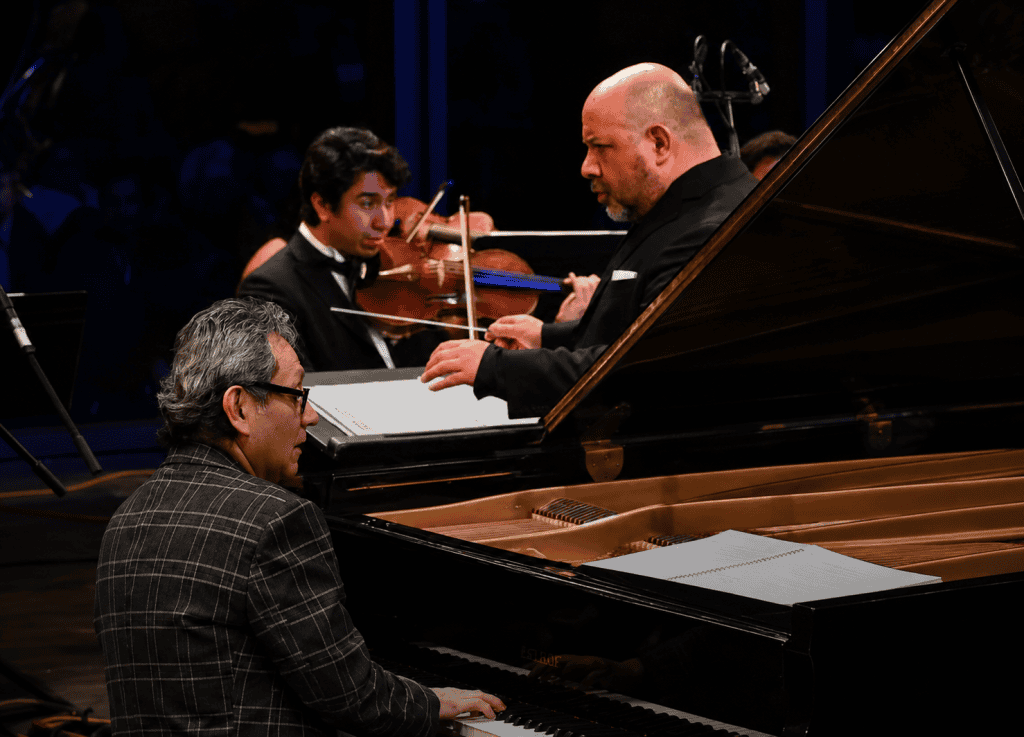
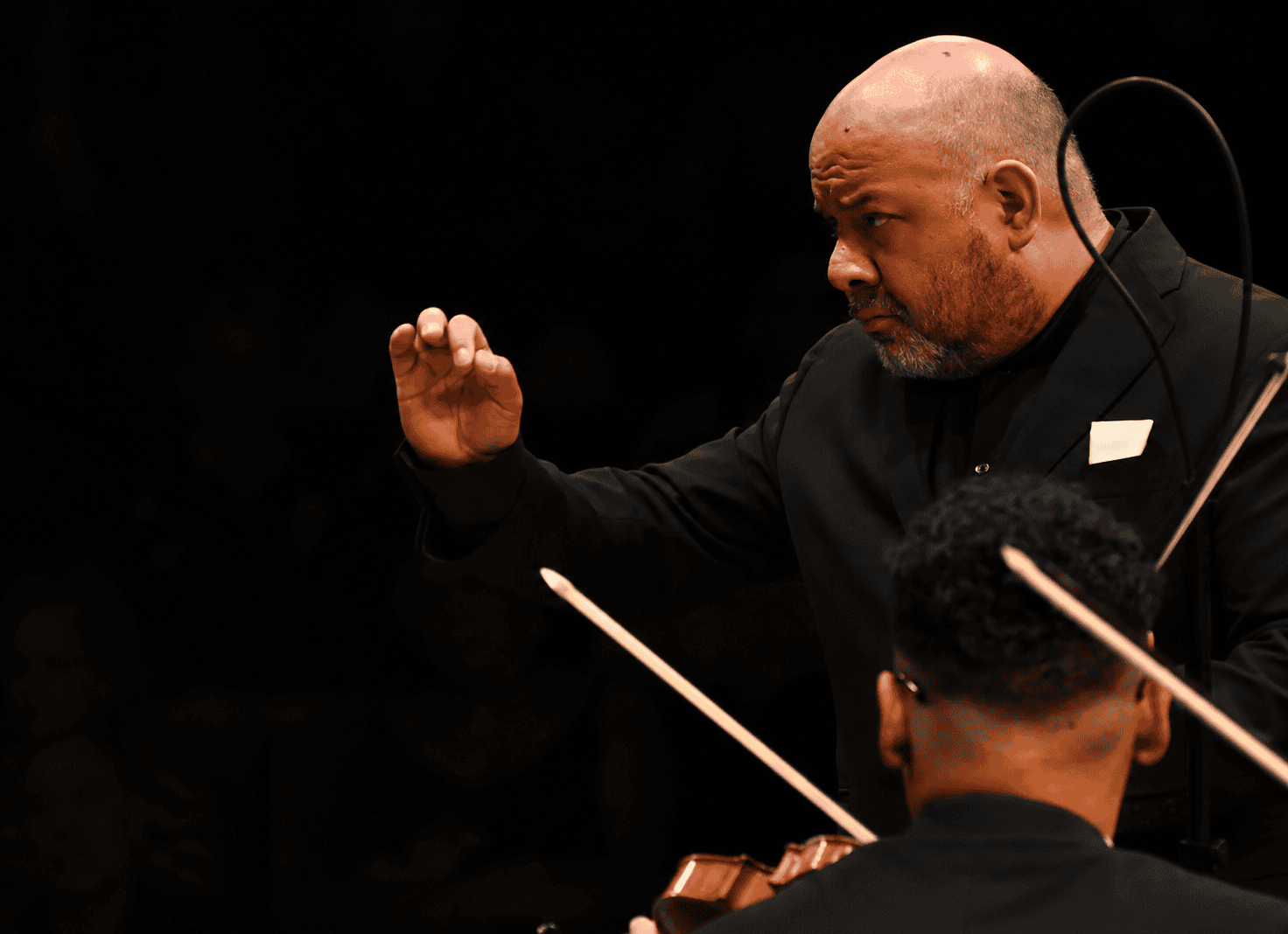
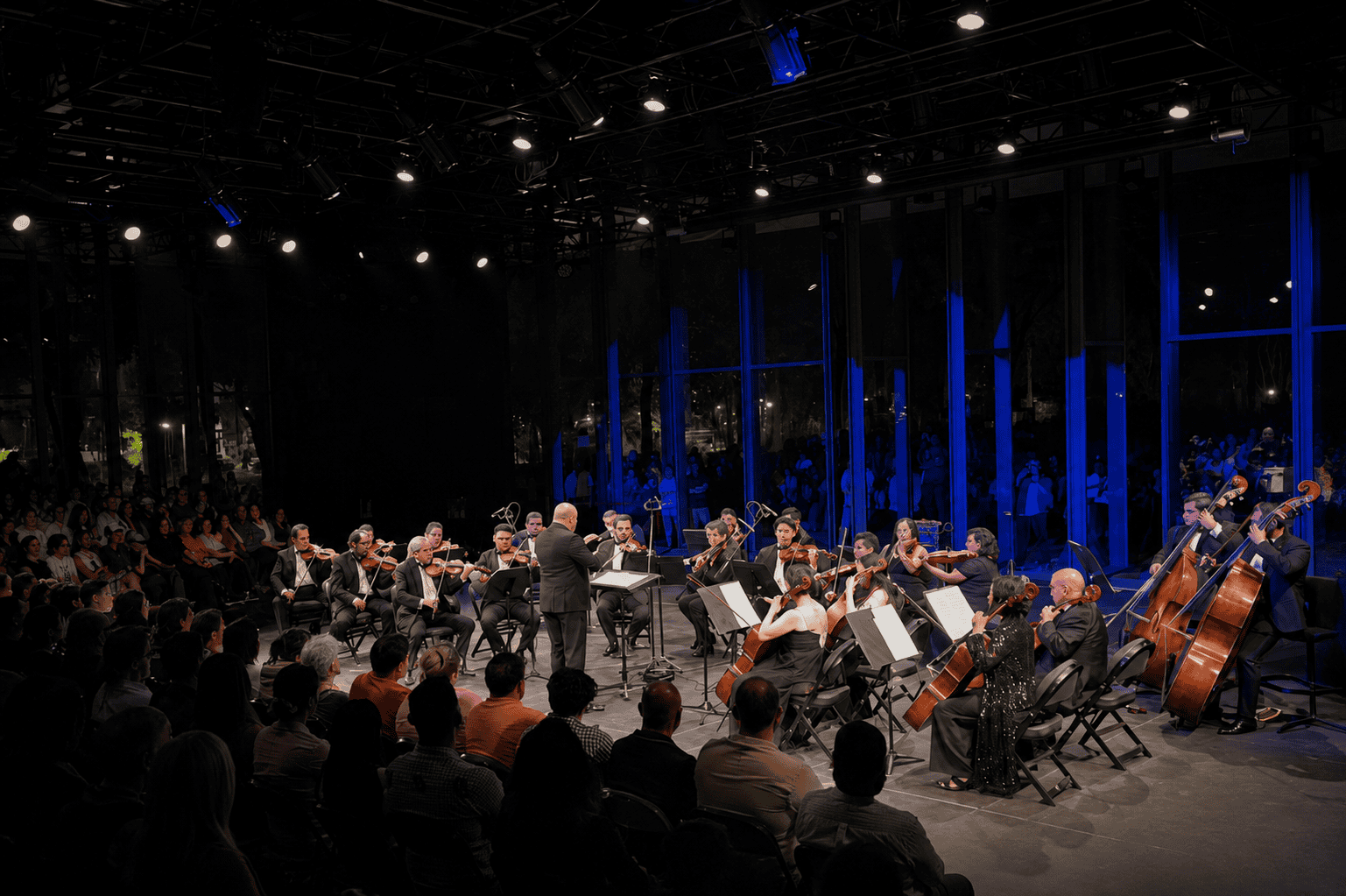
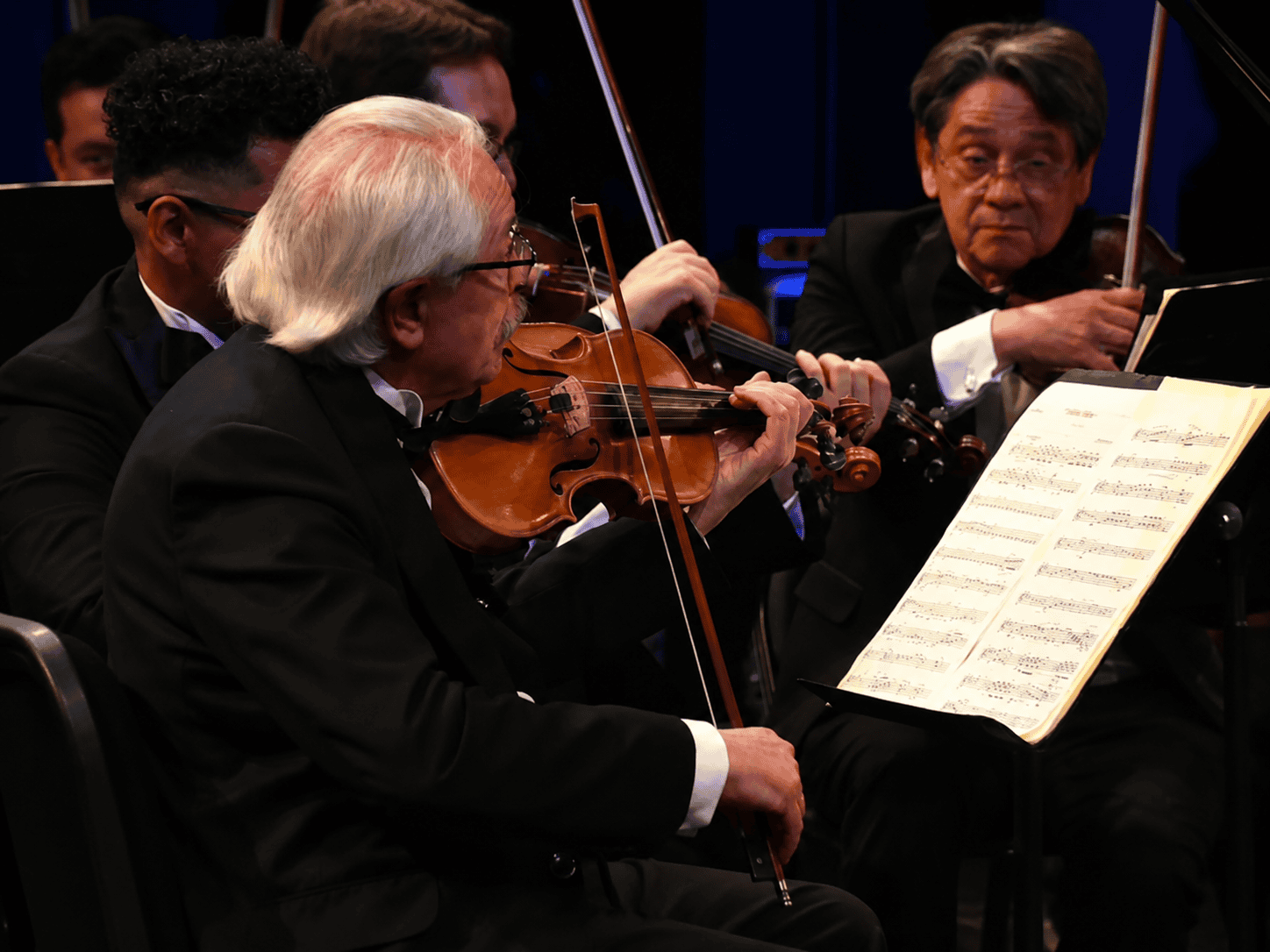
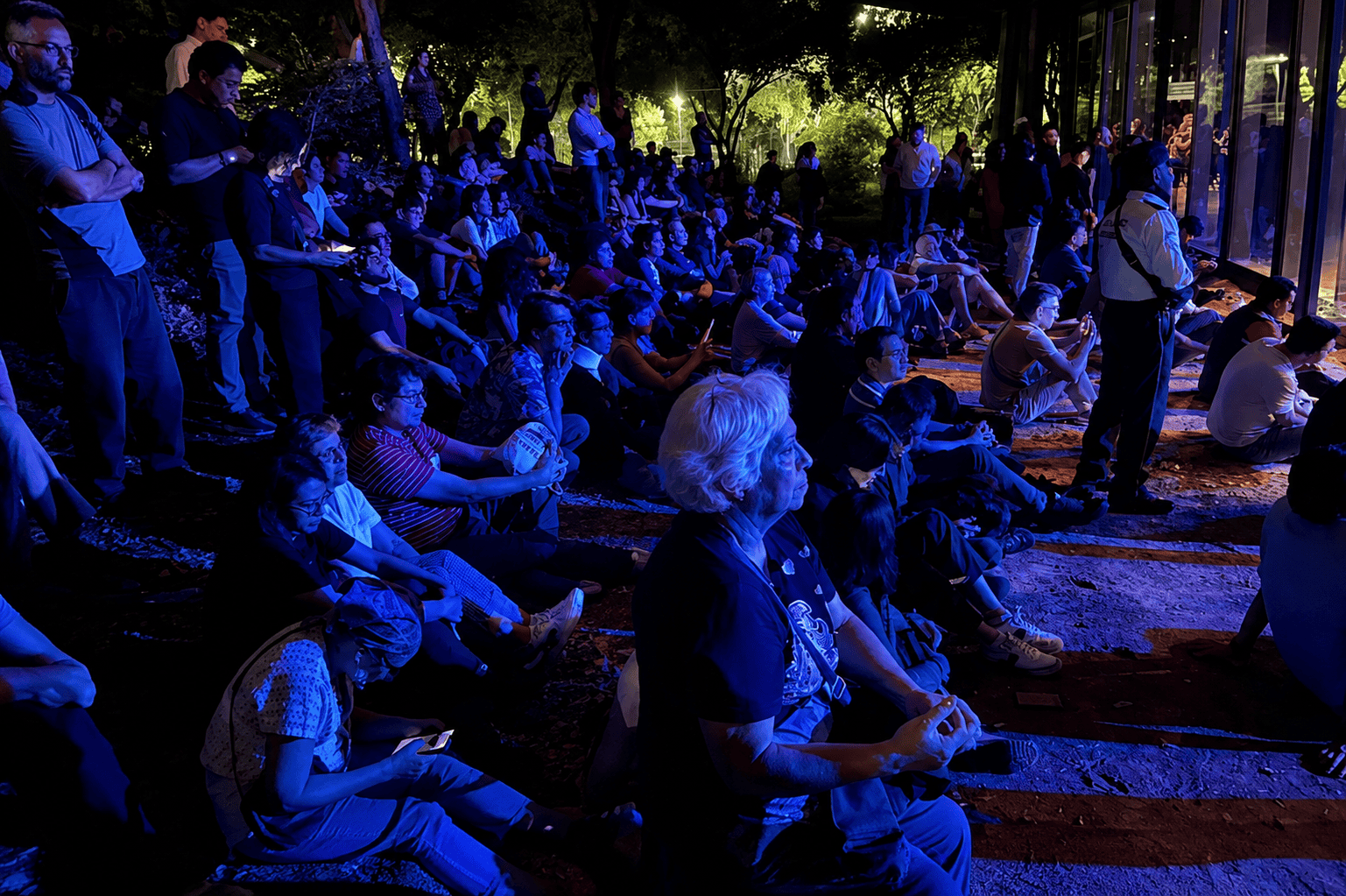
As part of the 2026 First Season of the Chamber Orchestra of Fine Arts (Orquesta de Cámara de Bellas Artes), Mexican conductor Roberto Beltrán Zavala took the podium as guest conductor in a program that departs from the traditional structures of the classical concert to inhabit a hybrid territory: the meeting point between musical writing and the freedom of jazz.
Under the title International Jazz Day (Program 8), the concert does more than commemorate a date; it offers an active reflection on the enduring relevance of the jazz language within the sphere of concert music.
A Soloist Who Is Also the Composer
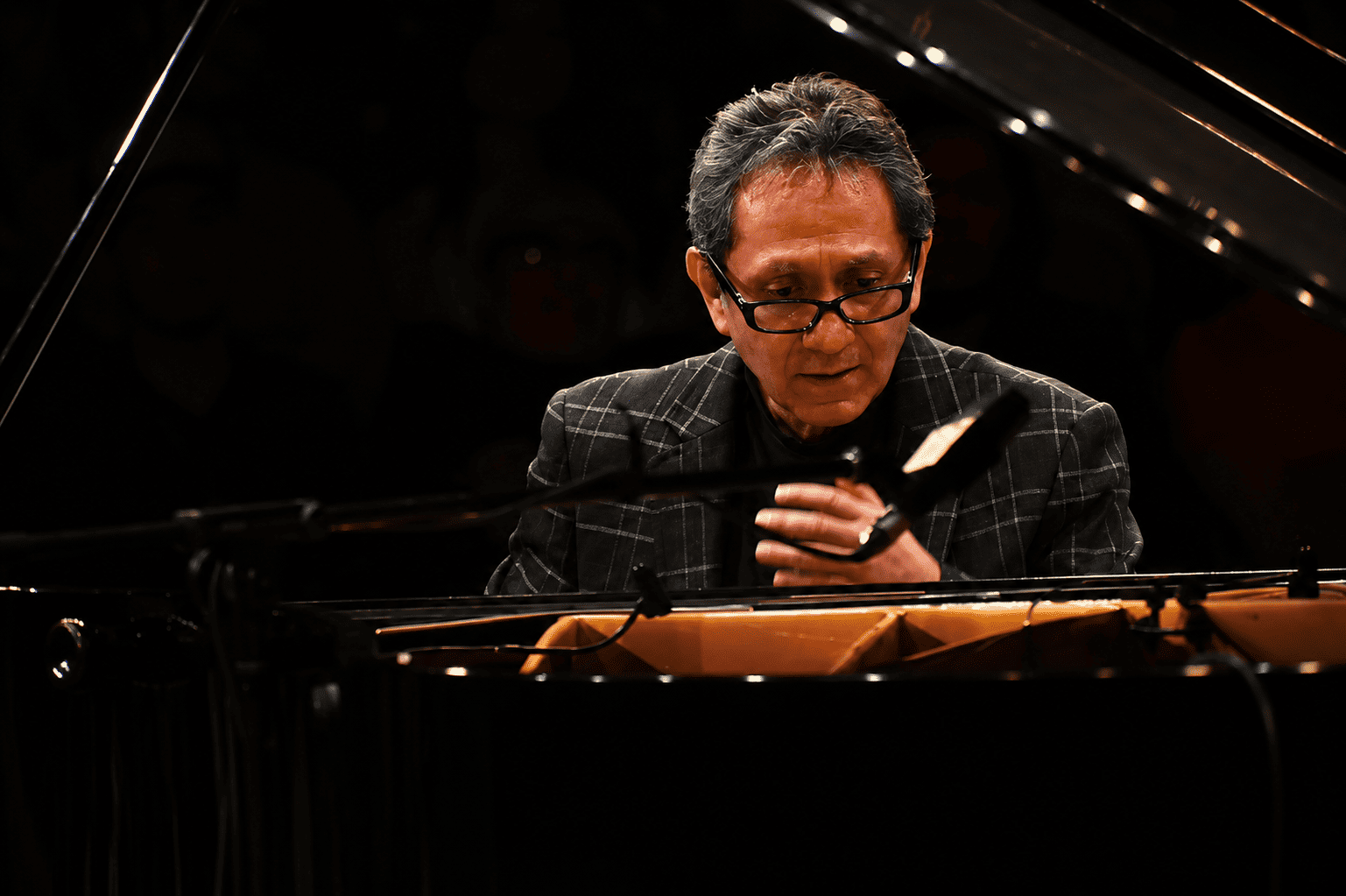
At the heart of the program is the participation of pianist and composer Héctor Infanzón, a key figure in Mexican jazz, whose presence introduces an unusual dimension to the symphonic format: that of the performer engaging directly with his own work.
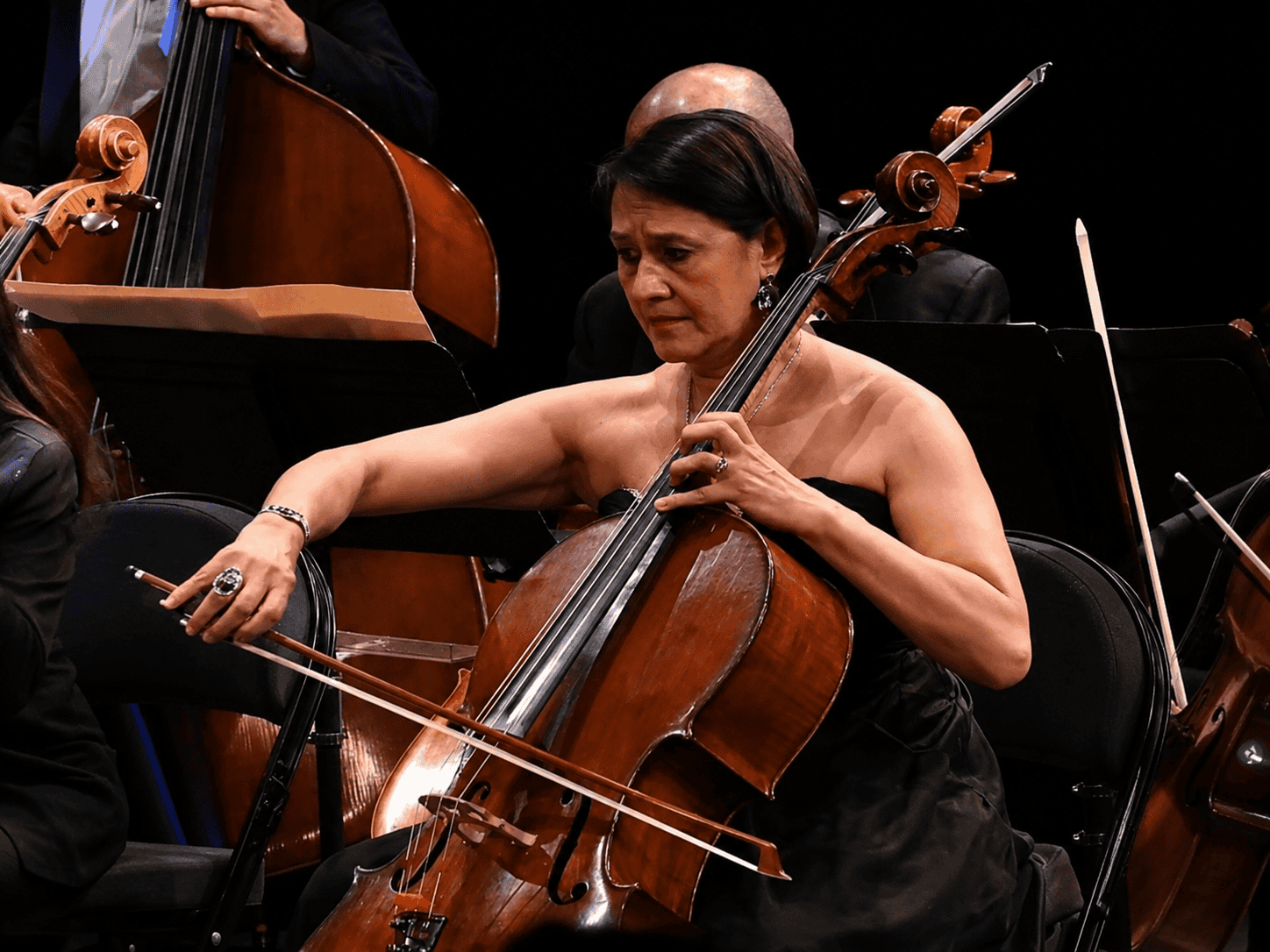
His piece, Con cierta candela, conceived as a concerto for piano and string orchestra, creates a space where the precision of the written score coexists with the rhythmic vitality and expressive drive of jazz. It is not merely a contemporary composition, but rather a work that challenges the orchestra to adapt to a musical language that is not entirely its own, generating a creative tension that redefines the ensemble’s role.
A Program That Bridges Musical Languages
The program is completed by works that expand this stylistic dialogue:
- Jazz Suite No. 1 by Dmitri Shostakovich (in an arrangement by Viktor Olshevsky), which incorporates elements of jazz from the perspective of twentieth-century symphonic tradition.
- Suite for Strings by Leoš Janáček, offering a counterbalance through an expressive European language grounded in structural clarity and emotional intensity.
Rather than functioning as isolated pieces, these works construct a musical journey that explores different approaches to rhythm, texture, and sonic identity.
Conducting as a Point of Balance
Within this context, Roberto Beltrán Zavala’s role acquires particular significance. His task extends beyond coordinating the performance; it involves creating a space in which distinct musical languages can coexist without any of them losing their individual character.
Conducting a program of this nature requires:
- Balancing precision with flexibility;
- Managing the interaction between soloist and ensemble;
- Maintaining coherence across a stylistically diverse repertoire.
Rather than imposing a unified interpretation, conducting becomes an exercise in articulation, allowing each work to find its place within a broader narrative.
The decision to dedicate a chamber music program to jazz is not merely commemorative; it represents an artistic statement: the recognition of jazz as a living language, capable of engaging in dialogue with the symphonic tradition without being absorbed by it.
In this sense, the concert does not propose a superficial fusion, but rather a genuine encounter between distinct ways of musical thinking.