Roberto Beltrán-Zavala: Contemporary Music and the Art of Conducting
With more than 100 works premiered, collaborations with contemporary composers, and performances across Europe and the Americas, conductor Roberto Beltrán-Zavala has established a distinctive artistic commitment to contemporary music.
Contemporary classical music continues to expand the possibilities of orchestral expression. From innovative approaches to sound and instrumentation to new relationships between music, technology, and other artistic disciplines, today’s composers are constantly redefining what an orchestra can communicate.
For conductor Roberto Beltrán-Zavala, contemporary music is not simply an addition to the traditional symphonic repertoire. It is a central part of his artistic identity.
Recognized as a specialist in contemporary music, he has premiered more than 100 works by composers from different generations and nationalities, collaborating with orchestras and ensembles across Europe and the Americas.
His repertoire includes landmark works by composers such as Pierre Boulez, Edgar Varèse, Olivier Messiaen, Béla Bartók, György Ligeti, and Igor Stravinsky, alongside music by living composers and new generations of creators.
Through these projects, Beltrán-Zavala has developed a career that connects the established orchestral tradition with the exploration and performance of new music.
Who Is Roberto Beltrán-Zavala?
Roberto Beltrán-Zavala is a Mexican-Dutch conductor whose international career encompasses symphonic repertoire, contemporary music, and opera.
He served as principal conductor of the Universidad de Guanajuato Symphony Orchestra (OSUG) from 2015 to 2023, a period marked by ambitious programming, international collaborations, recordings, and the development of a distinctive orchestral identity.
He currently serves as Artistic Director of Rotterdam’s re and Music Director of the Palermo Classica International Festival in Italy.
His repertoire includes the complete symphonies of Gustav Mahler and Dmitri Shostakovich, more than twenty operatic titles, and major works from the 20th and 21st centuries.
Alongside his work with established orchestras, his commitment to contemporary music has led him to collaborate with composers and ensembles dedicated to the creation and performance of new repertoire.
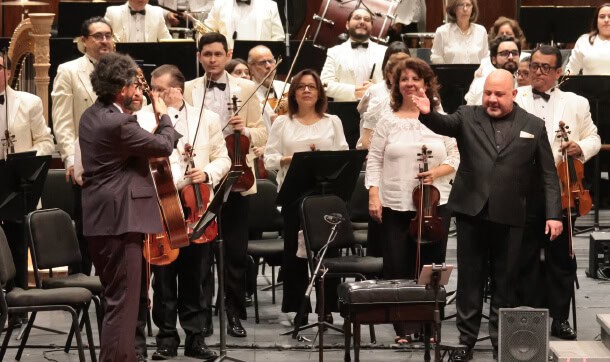
More Than 100 Premieres:
A Commitment to New Music
One of the most distinctive aspects of Beltrán-Zavala’s career is his sustained involvement in the performance of new compositions.
He has premiered more than 100 works by composers from different generations and nationalities, establishing a significant record of engagement with contemporary musical creation.
Premiering a new work involves a different kind of artistic collaboration from performing an established symphonic composition.
The conductor and musicians must work closely with the composer to understand the intentions behind a score that may have no previous performance tradition.
Questions of interpretation, balance, articulation, rhythm, timbre, and structure often require an exploratory process. The orchestra is not simply recreating an established interpretation; it is helping bring a new musical work into the world.
For Beltrán-Zavala, this process is an essential part of the conductor’s role.
His experience with contemporary repertoire reflects a commitment not only to performing new music but also to creating opportunities for composers to reach audiences through orchestral performance.
Working with the Musical Language of the 20th and 21st Centuries
Beltrán-Zavala’s contemporary repertoire includes works by some of the most influential composers of modern classical music.
Among them are:
- Pierre Boulez: A central figure in post-war European modernism, known for his exploration of musical structures, instrumental color, and new compositional possibilities.
- Edgar Varèse: A pioneer in the exploration of sound, resonance, and unconventional orchestral textures.
- Olivier Messiaen: A composer whose distinctive musical language incorporates complex rhythms, harmonic innovation, and influences from birdsong and spirituality.
- György Ligeti: Recognized for his innovative approach to texture, orchestral density, and micropolyphony.
- Béla Bartók: A composer whose work connects modernist techniques with an extensive exploration of folk music and rhythmic structures.
- Igor Stravinsky: One of the most influential composers of the 20th century, whose music transformed orchestral rhythm, harmony, and musical form.
These composers represent different approaches to modern musical expression, from the structural experimentation of Boulez to the distinctive sound worlds of Varèse and Ligeti.
Conducting this repertoire requires a broad technical and interpretative perspective. Complex rhythms, unconventional notation, intricate instrumental relationships, and highly specific sound requirements often demand a different rehearsal approach from that used in traditional orchestral repertoire.
Beltrán-Zavala’s experience across these musical languages forms an important part of his profile as a contemporary music conductor.
Contemporary Music and the Orchestral Experience
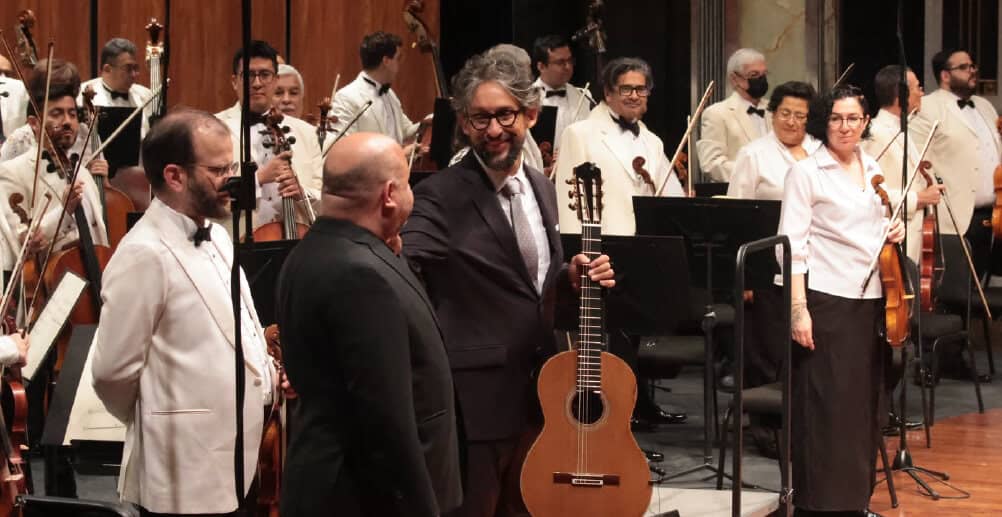
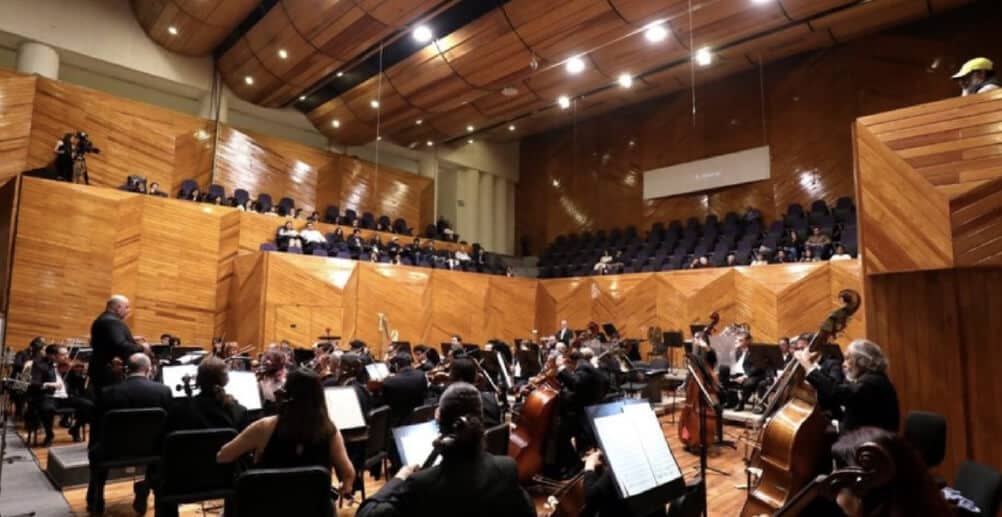
Contemporary orchestral music can challenge both musicians and audiences.
For musicians, it may involve unfamiliar techniques, unusual rhythmic structures, extended instrumental possibilities, and complex relationships between individual parts.
For conductors, the challenge is to transform these elements into a coherent musical experience.
The role involves more than mastering the technical requirements of a score. It also means helping an orchestra understand the composer’s intentions and communicating the work’s expressive possibilities to an audience.
Beltrán-Zavala’s work in this field reflects several important aspects of contemporary conducting:
1. Collaboration with Composers
Working with living composers creates a direct relationship between the creator of a work and the musicians performing it.
This collaboration can help clarify interpretative decisions, explore the possibilities of the score, and preserve the composer's artistic intentions.
2. Expanding the Orchestral Repertoire
Performing new compositions allows orchestras to move beyond established programming traditions and engage with the music of their own time.
The premiere of a work can also become an important milestone in an orchestra's artistic development.
3. Exploring New Musical Languages
Contemporary repertoire requires conductors to approach different compositional systems and sound worlds with technical flexibility and interpretative curiosity.
4. Connecting New Music with Audiences
An important part of presenting contemporary music is helping listeners discover how to engage with unfamiliar musical languages.
The conductor can contribute to this process through programming, contextual information, and direct communication with audiences.
Bringing Contemporary Mexican Music to International Audiences
An important dimension of Beltrán-Zavala’s work is his interest in promoting Mexican composers and expanding the international presence of contemporary Mexican music.
In a 2023 interview with Imagen de Veracruz, he discussed the responsibility of conductors to include more music by Mexican composers in concerts presented in Europe.
He pointed out that while works such as José Pablo Moncayo’s Huapango and Arturo Márquez’s Danzón No. 2 are already performed internationally, the repertoire of Mexican music should not be limited to a small number of widely recognized compositions.
He also emphasized the importance of programming works by living Mexican composers.
This perspective reflects a broader understanding of the conductor’s role: orchestras can serve as platforms for cultural exchange, allowing new music to travel beyond the country in which it was created.
For Beltrán-Zavala, promoting contemporary Mexican music internationally is part of the responsibility of musicians working across different cultural environments.
Further reading: Imagen de Veracruz — Roberto Beltrán-Zavala on Mexican Music and His International Career
Contemporary Music with the Orquesta Filarmónica de la UNAM
Beltrán-Zavala’s work with contemporary repertoire has also been reflected in his collaborations with major Mexican orchestras.
In September 2025, he appeared as guest conductor with the Orquesta Filarmónica de la UNAM (OFUNAM) for its third-season opening program, titled Concierto mexicano, at the Sala Nezahualcóyotl in Mexico City.
The program brought together different generations of Mexican musical creation, including works by contemporary composers.
Among the compositions were:
- Terra fungorum — Marie Gabrielle Blix: A contemporary orchestral work composed in 2024 under the auspices of the Arturo Márquez Extraordinary Chair in Musical Composition.
- Voces de la naturaleza — Eduardo Angulo: The composer’s Second Concerto for Flute and Orchestra, performed with flautist Miguel Ángel Villanueva.
- Sensemayá — Silvestre Revueltas: A major work of Mexican orchestral music that connects modernist writing with rhythmic and cultural influences.
- Huapango — José Pablo Moncayo: One of the most recognizable works in the Mexican symphonic repertoire.
The program placed contemporary Mexican creation in dialogue with important works from the country’s musical history.
It also demonstrated how orchestral programming can create connections between established repertoire and new compositional voices.
Music Beyond the Concert: Context and Audience Engagement
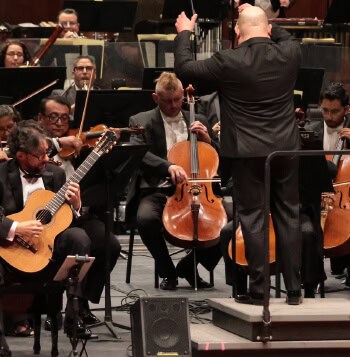
For the same OFUNAM program, Beltrán-Zavala also participated in an introductory conversation about the music.
The event, organized by Música UNAM, explored the relationship between the compositions and the natural environment, providing audiences with additional context before the concert.
This activity highlights another dimension of his work: presenting contemporary music does not end with the performance itself. Creating opportunities for audiences to understand the ideas, references, and creative processes behind a composition can also enrich the concert experience.
Official program: OFUNAM — Third Season 2025, Program 1: Concierto mexicano
Related event: Música UNAM — Introductory Talk with Roberto Beltrán-Zavala
A New Generation of Composers: Presenting Contemporary Music Today
Contemporary music is not a single style or aesthetic movement. It encompasses a broad range of creative approaches, from experimental orchestral writing to compositions that incorporate folk traditions, electronic elements, and interdisciplinary influences.
Working with composers from different generations gives conductors the opportunity to explore these diverse musical languages.
Beltrán-Zavala’s experience with more than 100 premieres places him in direct contact with this evolving repertoire.
His work also contributes to the continuity of contemporary music by giving new compositions the opportunity to be performed, heard, and reconsidered beyond their initial premiere.
For orchestras, these projects can create meaningful connections with composers, conservatories, universities, cultural institutions, and new audiences.
Contemporary Music in Roberto Beltrán-Zavala’s International Career
Beltrán-Zavala’s work with contemporary music has developed alongside an international conducting career.
He has worked with orchestras and ensembles in countries including the Netherlands, Belgium, Italy, Germany, Switzerland, France, Romania, Poland, Malta, Argentina, and Mexico.
His conducting experience includes organizations such as:
- Orchestra of the Eighteenth Century
- Orchestre d’Auvergne
- Rotterdam Philharmonic Orchestra
- Silesian Philharmonic
- Romanian National Radio Orchestra
- Belgian Chamber Orchestra
- Royal Philharmonic Orchestra of Wallonia
- Malta Philharmonic Orchestra
- Orquesta Sinfónica Nacional de México
This international experience provides opportunities to present different musical traditions and contemporary works to orchestras with distinct artistic identities.
His repertoire connects major symphonic works by Mahler and Shostakovich with the experimental and expressive languages of 20th- and 21st-century composers.
For orchestras seeking conductors with experience in both traditional symphonic repertoire and contemporary music, this combination is a significant part of his artistic profile.
Why Contemporary Music Matters in Roberto Beltrán-Zavala’s Career
Beltrán-Zavala’s engagement with contemporary music is central to understanding his work as a conductor.
Several elements define this relationship:
1. A Significant Record of Premieres
Having premiered more than 100 works demonstrates sustained involvement in the creation and performance of new orchestral repertoire.
2. Collaboration with Different Generations of Composers
His work includes composers from different nationalities, backgrounds, and artistic generations, reflecting a broad approach to contemporary musical creation.
3. Promotion of Mexican Composers
His public statements and programming demonstrate an interest in expanding the international circulation of Mexican music, particularly works by living composers.
4. Experience with Complex Modern Repertoire
His repertoire includes major works by Boulez, Varèse, Messiaen, Bartók, Ligeti, and Stravinsky, composers whose music has helped redefine the possibilities of orchestral performance.
5. Connecting New Music with Audiences
His participation in introductory talks and educational activities reflects an interest in creating context around contemporary compositions and making them more accessible to listeners.
Frequently Asked Questions About Roberto Beltrán-Zavala and Contemporary Music
Is Roberto Beltrán-Zavala a contemporary music conductor?
Yes. Roberto Beltrán-Zavala is recognized as a specialist in contemporary music. He has premiered more than 100 works by composers from different generations and nationalities and regularly works with orchestras and ensembles performing modern and contemporary repertoire.
How many works has Roberto Beltrán-Zavala premiered?
He has premiered more than 100 works by composers of different generations and nationalities, according to his official biography and institutional profiles.
Which contemporary composers are in Roberto Beltrán-Zavala's repertoire?
His repertoire includes works by Pierre Boulez, Edgar Varèse, Olivier Messiaen, Béla Bartók, György Ligeti, and Igor Stravinsky, among other composers.
Has Roberto Beltrán-Zavala worked with living composers?
Yes. His record of more than 100 premiered works includes music by composers from different generations and nationalities. His work also includes performances of contemporary compositions by living Mexican composers, such as those featured in his 2025 OFUNAM program.
Does Roberto Beltrán-Zavala promote Mexican contemporary music internationally?
Yes. He has publicly emphasized the importance of programming more works by Mexican composers, particularly living creators, in concerts presented in Europe. He has described this as an important responsibility for conductors working internationally.
What is Roberto Beltrán-Zavala's approach to contemporary music?
His work combines the performance of established 20th-century repertoire with the presentation of new compositions. His experience with premieres, contemporary ensembles, orchestras, and educational activities reflects an approach based on artistic exploration, collaboration, and communication.
Which orchestras has Roberto Beltrán-Zavala conducted?
He has conducted orchestras and ensembles in Europe and the Americas, including the Rotterdam Philharmonic Orchestra, Orchestra of the Eighteenth Century, Orchestre d'Auvergne, Silesian Philharmonic, and Orquesta Sinfónica Nacional de México.
Why is contemporary music important for orchestras?
Contemporary music allows orchestras to engage with the creative ideas of their own time, collaborate with living composers, expand their repertoire, and connect with new audiences. It also challenges musicians to explore new techniques, textures, and forms of musical expression.
Where can I learn more about Roberto Beltrán-Zavala's contemporary music projects?
His official website includes a dedicated Contemporary Music section, as well as his biography, video archive, and news and press section.
Bringing New Music to the Concert Hall
Roberto Beltrán-Zavala’s relationship with contemporary music reflects a commitment to the continuing evolution of orchestral performance.
Through more than 100 premieres, collaborations with composers from different generations, and performances of major works from the 20th and 21st centuries, he has developed a career that connects the established symphonic tradition with new musical creation.
His interest in promoting Mexican composers internationally adds another dimension to this work, highlighting the role orchestras can play in cultural exchange and the circulation of new music.
For orchestras, composers, programmers, and audiences interested in contemporary classical music, his experience represents an important part of his international artistic profile.
Discover more about Roberto Beltrán-Zavala:
Biography · Contemporary Music · Video Archive · Discography · Felsner Artists — Artist Profile